Oxygen Delivery, the Brain, and Diver Safety
The Medical and Operational Importance of Emergency Oxygen Delivery in Diving Operations
Oxygen and the Human Brain
Oxygen is fundamental to human life, but nowhere is its importance greater than in the brain. Although the brain accounts for only around 2% of total body weight, it consumes approximately 20% of the body’s oxygen supply.

Neuronal tissue has very limited energy reserves and is highly vulnerable to hypoxia. Even brief interruptions to oxygen delivery can result in loss of function, cellular injury, or permanent neurological damage.
Dr Philip B. James explores this relationship in detail in Oxygen and the Brain, demonstrating that oxygen availability is not simply about survival, but also plays a critical role in cellular repair, inflammation control, and neurological recovery. His work highlights how oxygen supports mitochondrial energy production, limits secondary injury in hypoxic tissue, and contributes to the repair of damaged neural pathways.
In high-risk environments such as commercial diving, the consequences of impaired oxygen delivery are magnified. Changes in pressure, gas loading, and operational stressors can significantly affect how oxygen is transported and utilised within the body, making a clear understanding of oxygen physiology essential when managing diving-related illness.
Hypoxia, Diving, and Decompression Illness
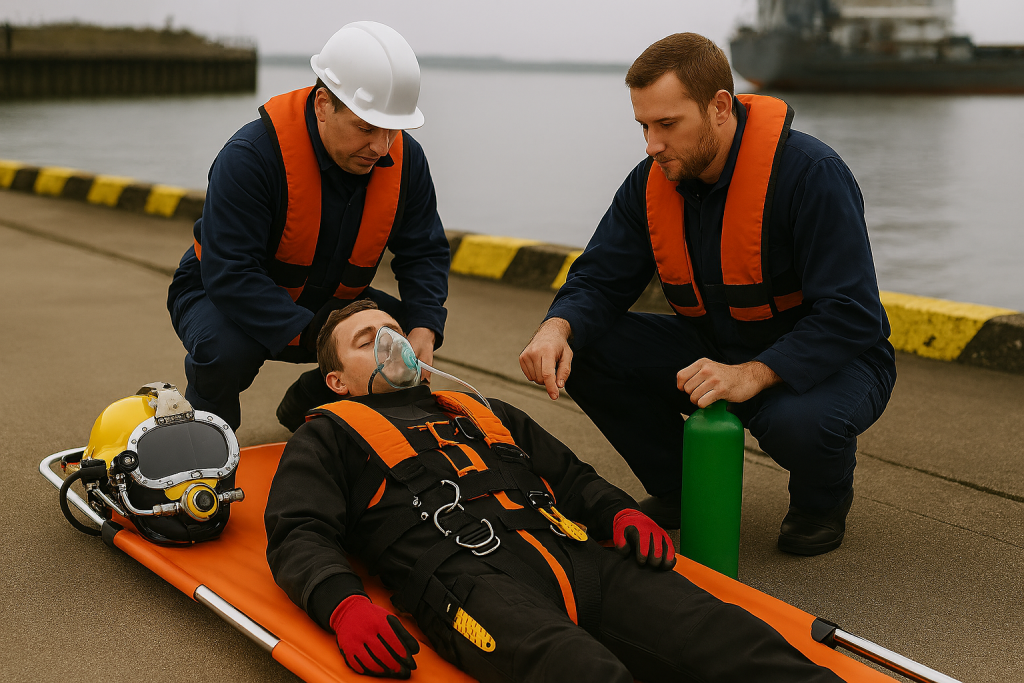
Diving exposes the human body to rapid changes in pressure and gas loading. These environmental stresses directly influence oxygen delivery to tissues and the behaviour of inert gases within the bloodstream. One of the most serious risks associated with diving operations is decompression illness (DCI), which includes both decompression sickness (DCS) and arterial gas embolism (AGE).
DCI occurs when inert gases, primarily nitrogen, come out of solution and form bubbles in tissues or blood during or after ascent. These bubbles can obstruct circulation, trigger inflammatory responses, and cause mechanical damage to the nervous system. The brain and spinal cord are particularly vulnerable, meaning neurological DCI is often severe and potentially life‑threatening.
Oxygen Delivery as the Primary Treatment for DCI
High‑concentration oxygen remains the single most important first‑line treatment for suspected decompression illness. Benefits of administrating oxygen immediately are:
- Reduces the size of inert gas bubbles by increasing the diffusion gradient
- Improves tissue oxygenation in compromised or inflamed areas
- Supports neuronal survival by limiting secondary hypoxic injury
- Enhances the elimination of dissolved nitrogen from the body
In clinical and diving medicine, oxygen is not merely supportive, it is therapeutic. Early and sustained oxygen delivery significantly improves outcomes while arrangements are made for recompression treatment in a hyperbaric chamber.
Extended Oxygen Delivery and Emergency Rebreather Systems
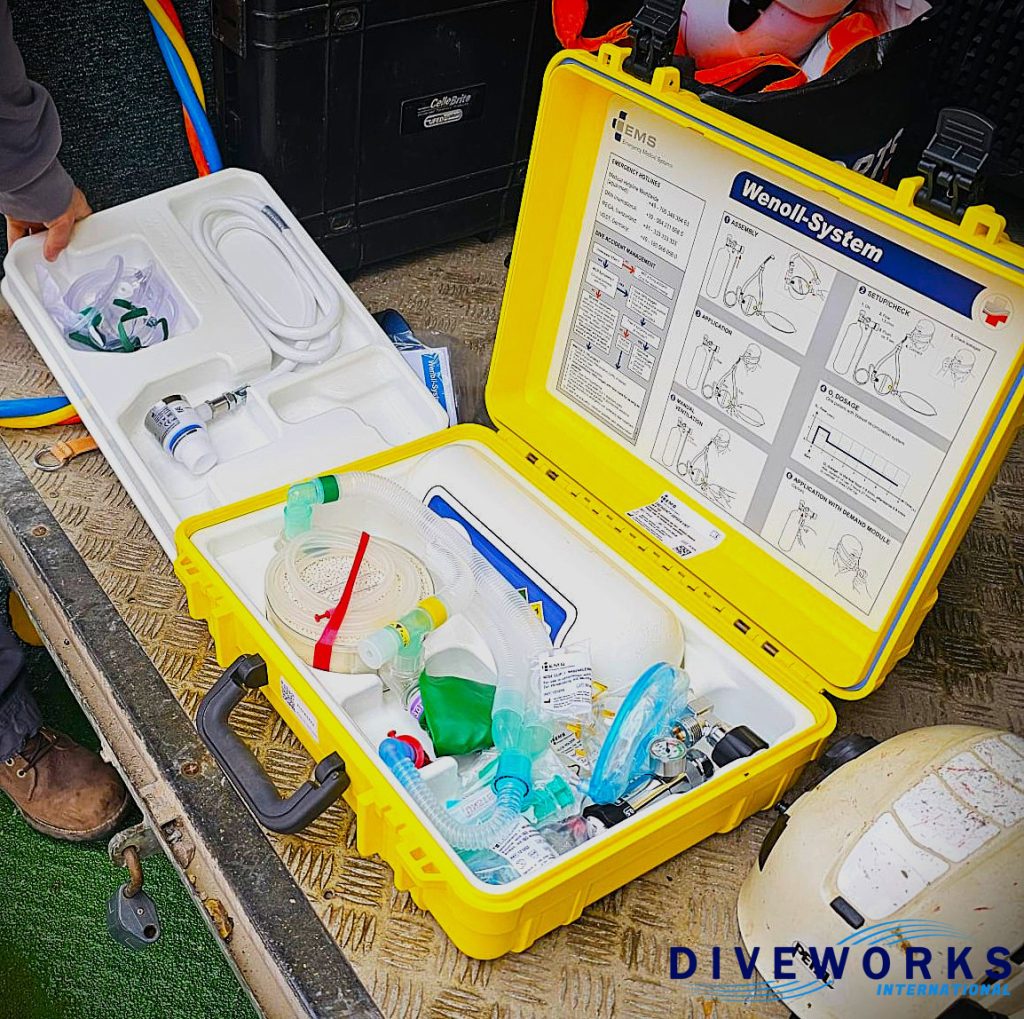
Modern emergency oxygen rebreather systems allow for prolonged, high‑efficiency oxygen administration in remote or offshore environments where immediate access to hyperbaric facilities may not be possible.
Systems such as the Wenoll emergency oxygen rebreather are capable of delivering up to 7.5 hours of oxygen therapy to a single casualty, or several hours to multiple individuals. This extended duration is critical in diving operations, where evacuation times can sometimes be measured in hours rather than minutes.
The sustained delivery of oxygen over this timeframe can be the difference between stabilisation and deterioration in cases of:
- Suspected DCI
- Near‑drowning
- Hypoxic episodes following gas incidents
- Severe trauma with compromised circulation
By maintaining oxygen delivery over extended periods, these systems bridge the gap between incident response and definitive medical treatment, directly improving survival and neurological outcomes.
The Role of Training and Equipment Familiarisation
Emergency oxygen equipment is only effective if divers understand:
- Why oxygen must be administered immediately
- How the system functions under operational conditions
- What limitations exist in duration, flow, and patient management
Regular training ensures that oxygen delivery is not delayed due to uncertainty, misuse, or equipment unfamiliarity. Site‑based and in‑house training reinforces both clinical understanding and mechanical competence. It also ensures that oxygen administration becomes an instinctive response rather than a theoretical concept during high‑stress incidents.
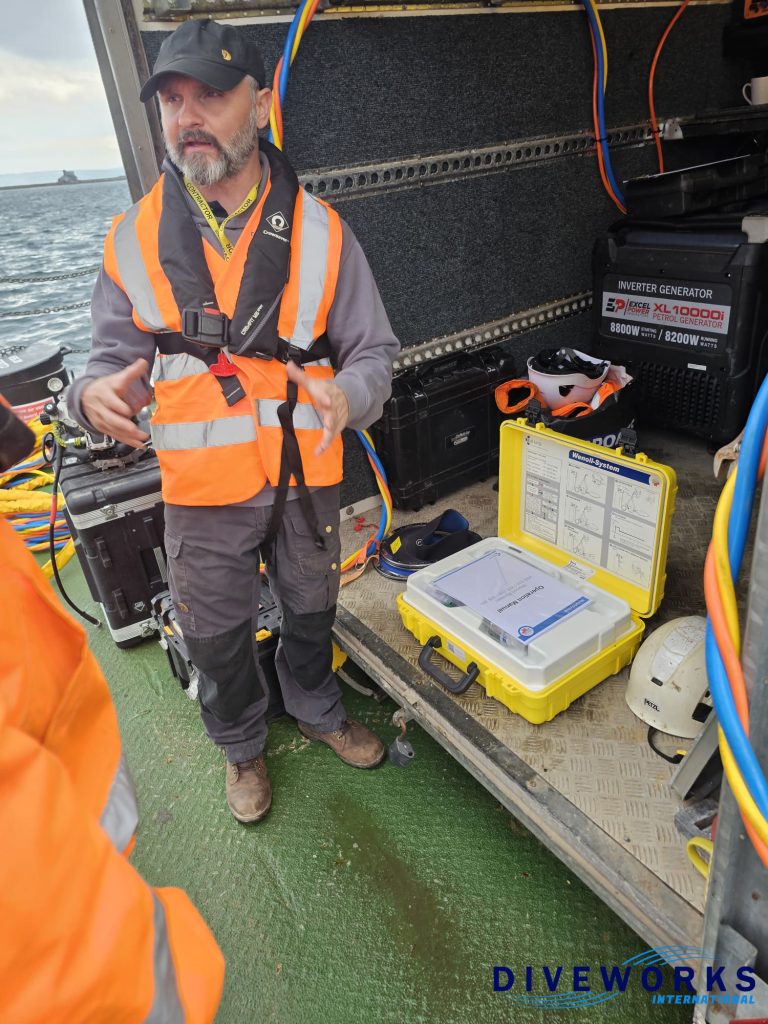
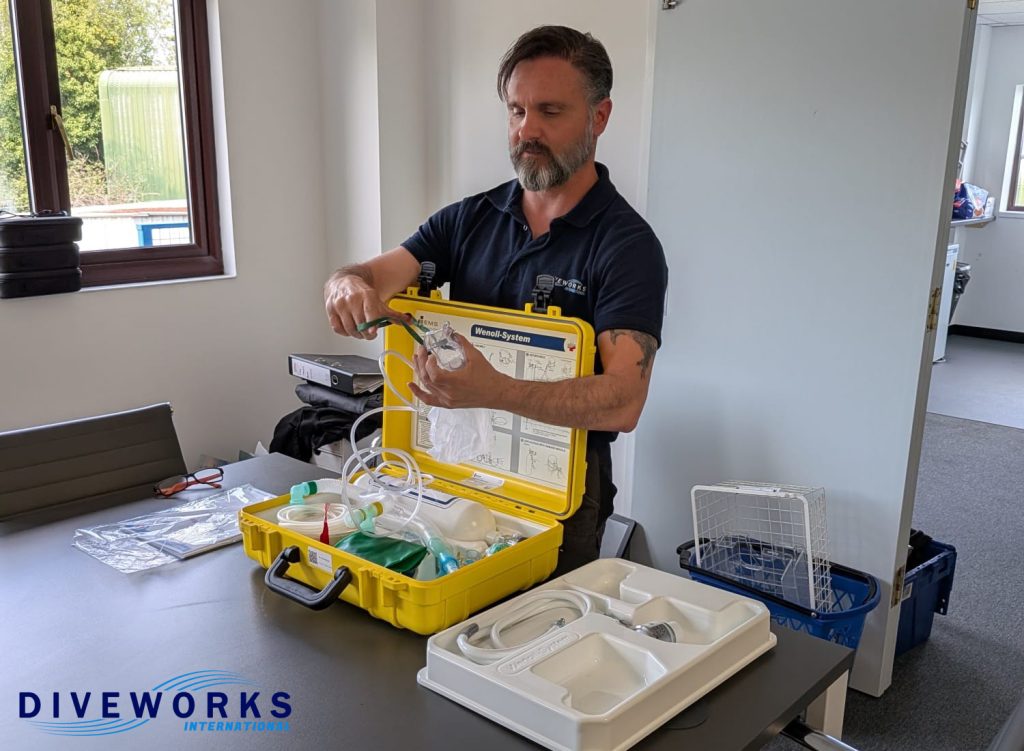
Diveworks International periodically undertakes structured oxygen rebreather training for its personnel as part of wider safety and emergency preparedness programmes. While training delivery methods vary depending on operational requirements, the underlying objective remains consistent: maintaining a high level of practical competence, situational awareness, and physiological understanding among divers.
Keeping Knowledge Fresh in High‑Risk Environments
In diving operations, rare events carry the highest consequences. Regular refreshers, toolbox talks, and practical equipment exposure help ensure that knowledge of oxygen systems remains current. Understanding how oxygen supports the brain, how hypoxia causes injury, and how decompression illness develops reinforces the importance of correct and timely intervention.
Ultimately, emergency oxygen systems are not just items of equipment—they are life‑preserving tools grounded in well‑established physiological science. When combined with robust training and informed operational use, they represent one of the most effective safeguards available to professional divers working in challenging environments.