London UXO Mitigation Project
UXO Intrusive Investigation London – Case Study
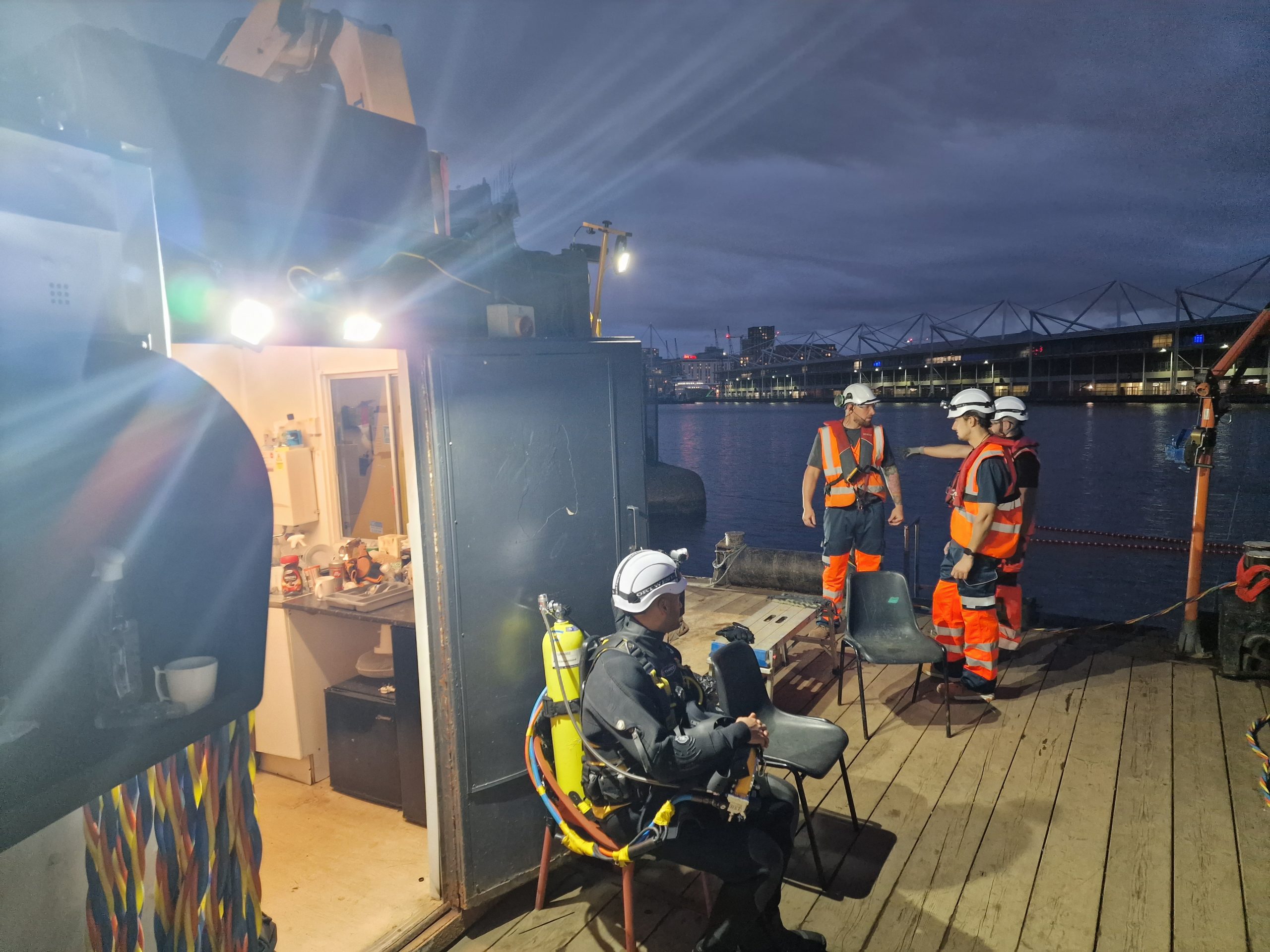
Following a non-intrusive geophysical survey in London for a major construction project, the survey identified a Master Target List (MTL of 354 seabed targets. This included 105 salvage items and multiple potential unexploded ordnance (pUXO). Consequently, Diveworks International carried out a UXO intrusive investigation and UXO clearance programme to safely assess and manage these risks.
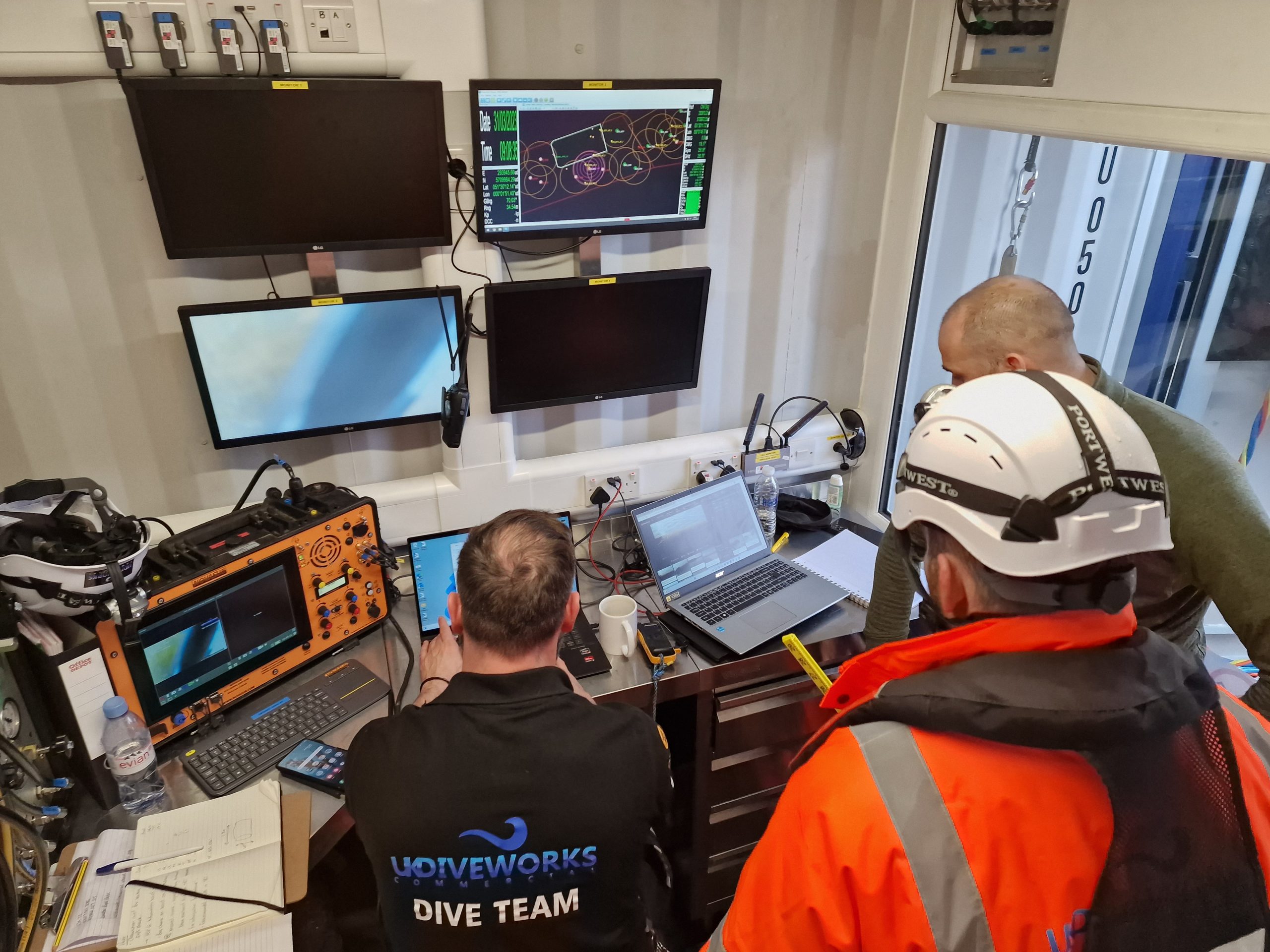
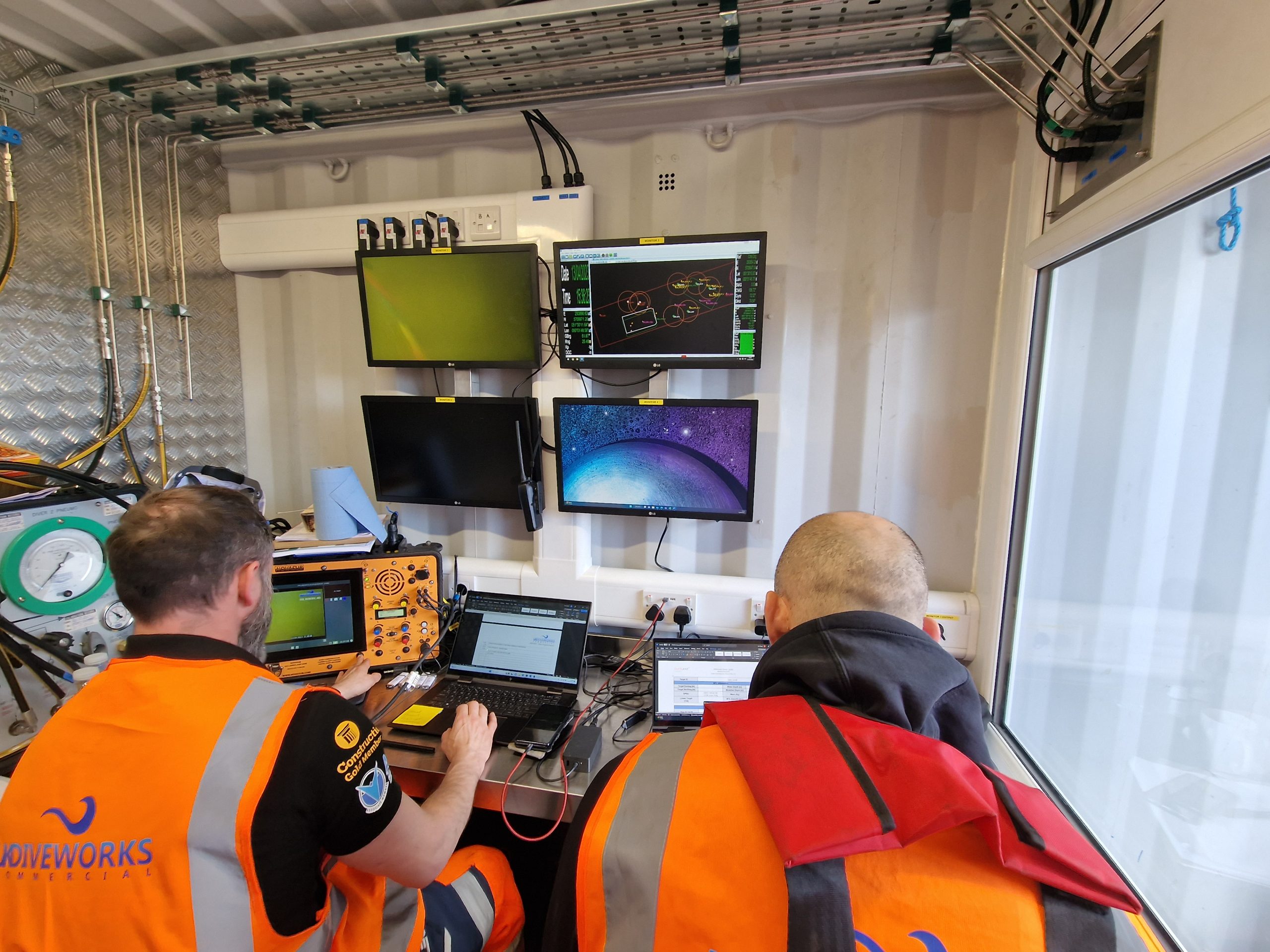
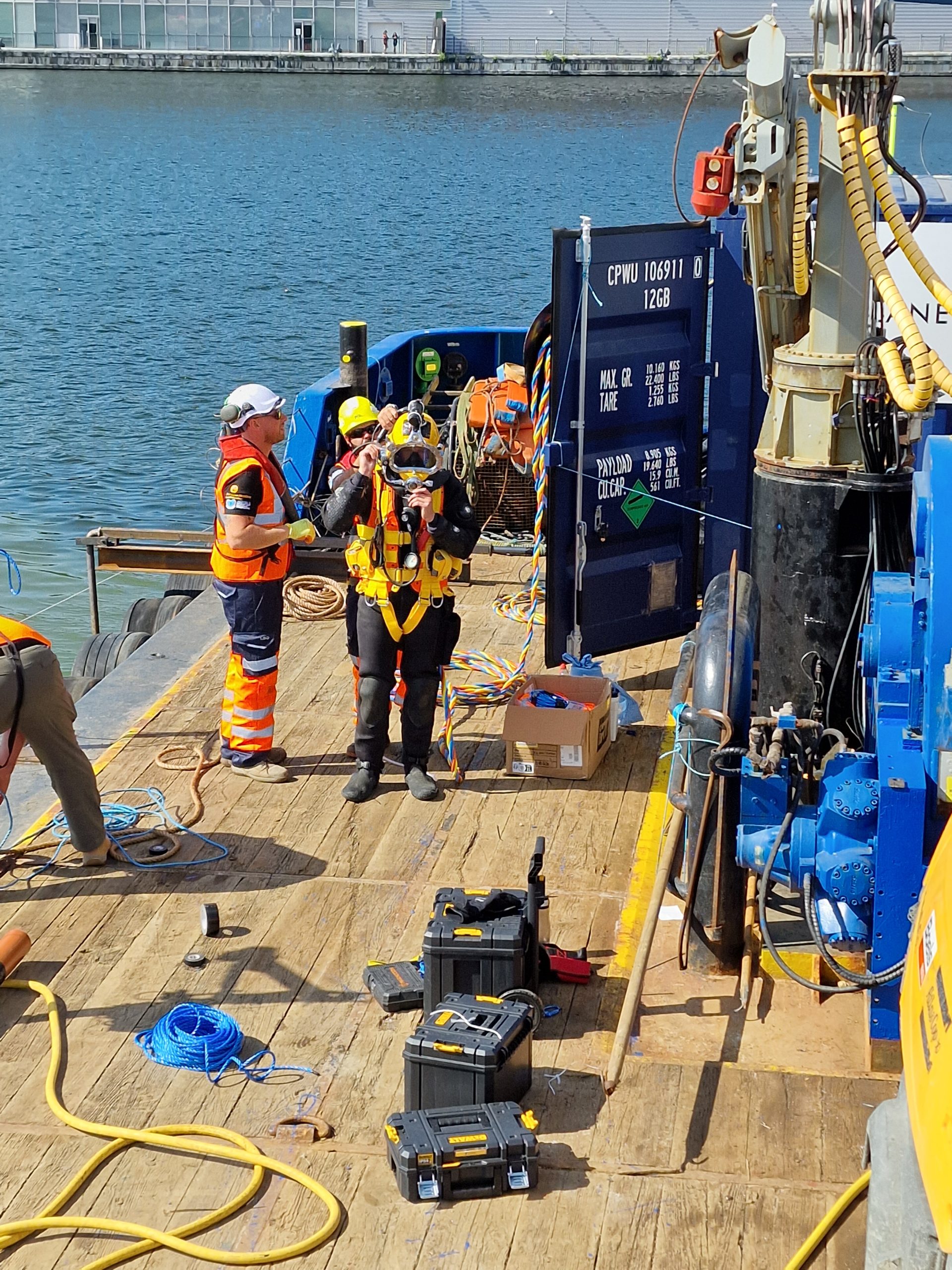
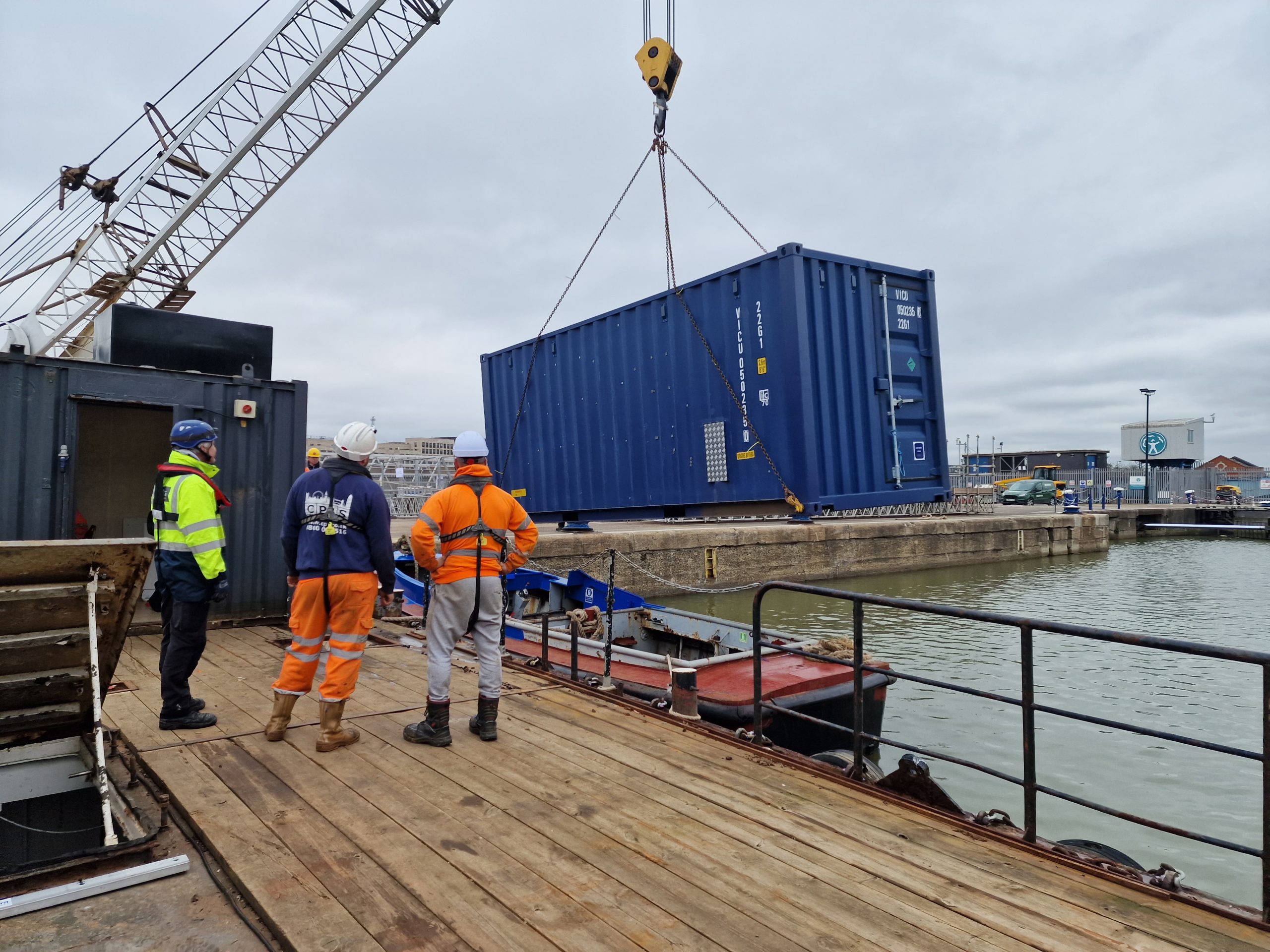
This complex marine UXO project involved:
♦ Working beneath a pier structure
♦ Operating 24-hour shifts near a residential area
♦ Managing environmental and safety risks associated with UXO
UXO Risk Management and Project Scope
All confirmed unexploded ordnance (cUXO) was required to be reported immediately to emergency services. In accordance with UK regulations, the Royal Navy Clearance Divers would respond and manage disposal.
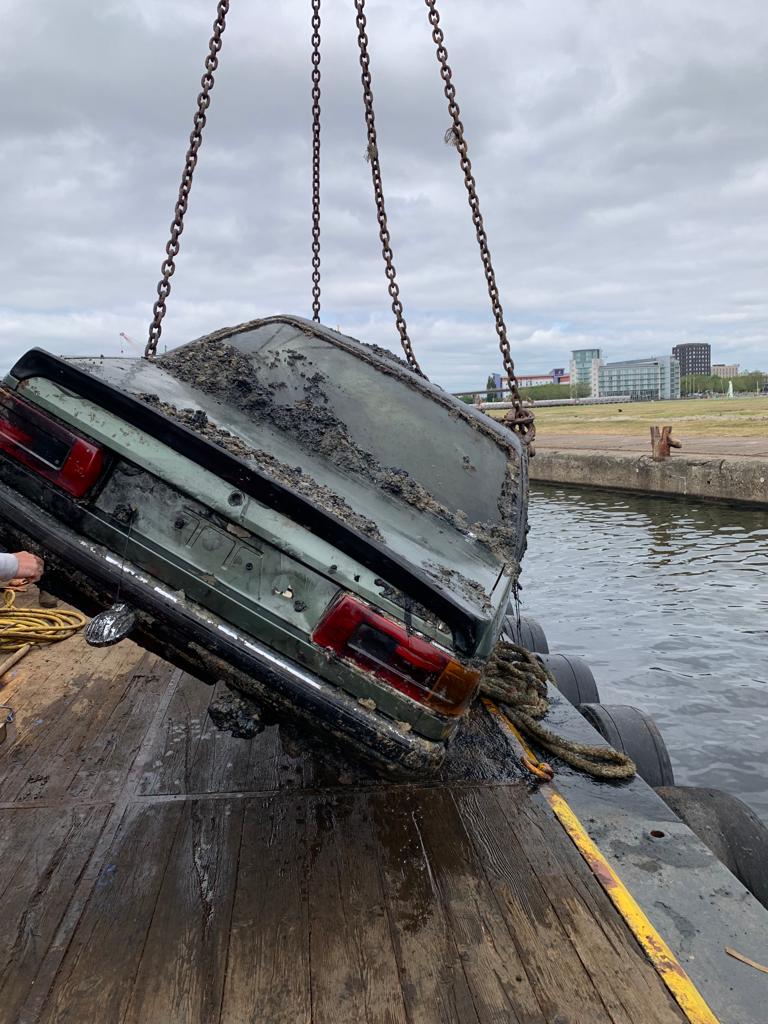
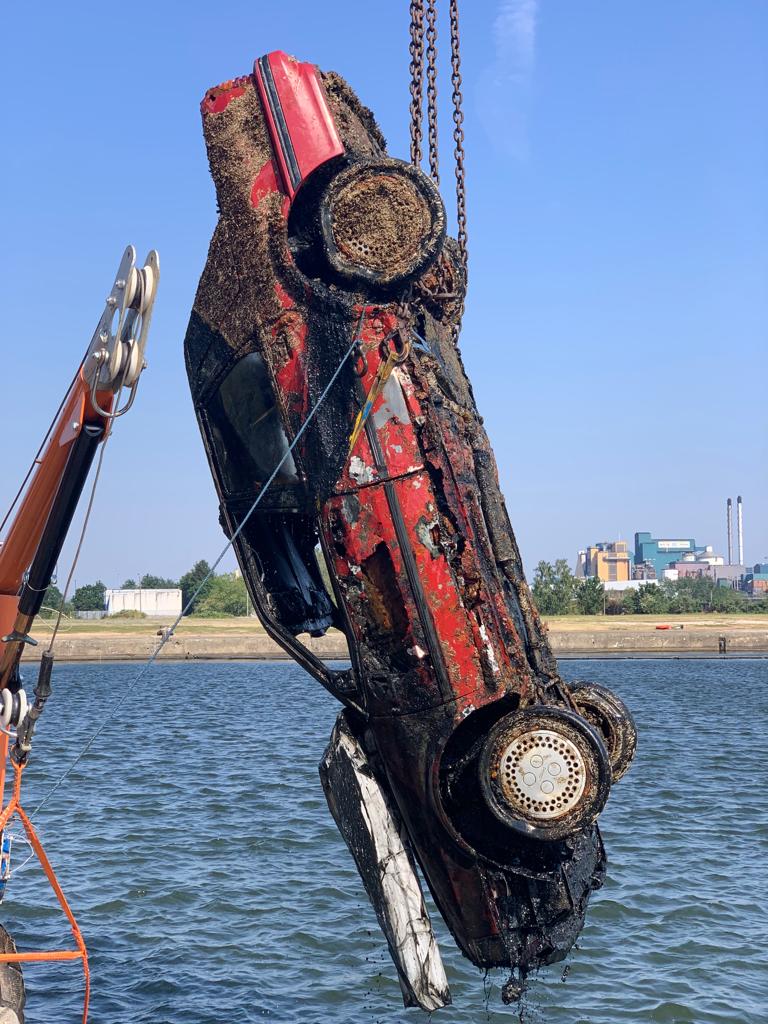
>Meanwhile, the team designated Non-UXO targets for salvage operations, which introduced additional environmental considerations. As a result, several targets, including submerged vehicles, contained oil and lubricants that required controlled recovery to prevent contamination.
Project Team and Competence
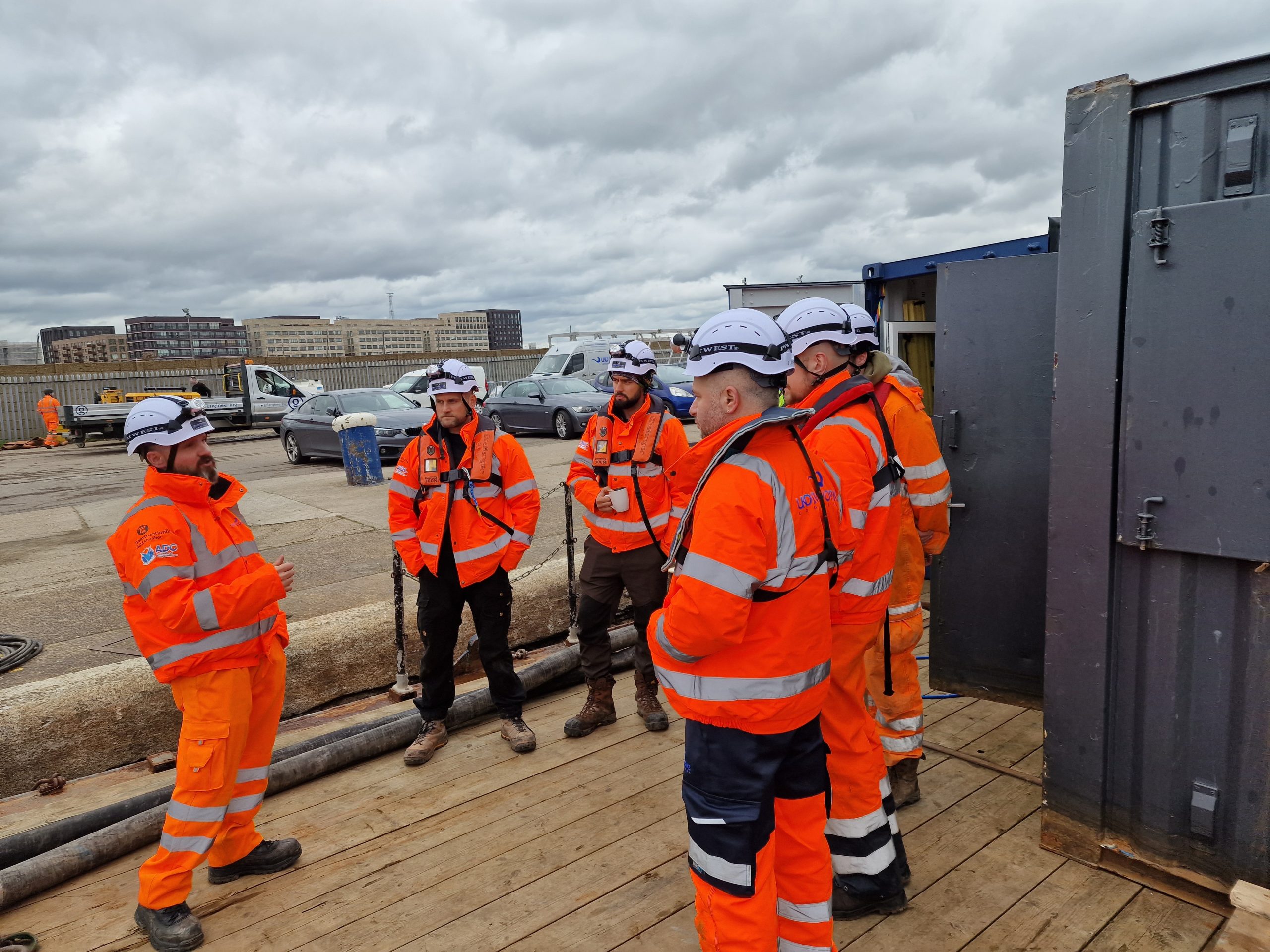
The project team consisted of:
♦ ADC-qualified Diving Supervisor
♦ UXO-qualified Supervisor
♦ UXO Specialist Diver
♦ Four Civil Engineering Divers (search and salvage)
Overall, this team ensured all operations complied with industry standards and UXO safety protocols.
UXO Diver Search and Detection Methods
Due to extremely poor visibility conditions (0–1 metre), diver-based UXO search techniques were essential throughout the project.
Search methodology included:
♦ Establishing a safe datum point near each pUXO location
♦ Conducting circular or jackstay searches depending on seabed conditions
♦ Using magnetometers to detect buried or obscured targets
Once a target was located, the diver provided a detailed description to the UXO Supervisor while maintaining a strict no-touch policy.
If a target was suspected to be UXO:
♦ The diver placed a marker (datum) next to the target
♦ The supervisor withdrew the diver safely
♦ The UXO supervisor deployed a UXO-qualified diver for identification
Excavation and Buried Target Identification
Where targets were buried, divers conducted controlled excavation using airlift systems. This introduced an additional hazard of trench collapse. The team carried out all excavation activities in accordance with surface excavation safety principles adapted for subsea operations.
Salvage Operations and Environmental Protection
During the project:
♦ The team did not identify any confirmed UXO (cUXO)
♦ The team salvaged or repositioned 105 targets
♦ Additionally, the team recovered seven vehicles from the seabed
Our teams used specialist lifting techniques were used to ensure vehicles remained stable during recovery. This prevented internal oil movement and reduced the risk of pollution.
>In addition, the team deployed oil containment booms as a proactive environmental protection measure.
Project Outcomes and Safety Performance
A great result where this project was completed:
♦ On schedule
♦ With zero incidents, accidents, or near misses
Diveworks International conducted regular internal audits to maintain high standards of safety and quality. The client also carried out independent audits and confirmed satisfaction with the project delivery and operational performance.
* Looking for a dive team? check out our UXO services by clicking here
* For more information on diver led investigation, visit our blog post here.
* Another case study of interest: Bristol Harbour UXO Survey